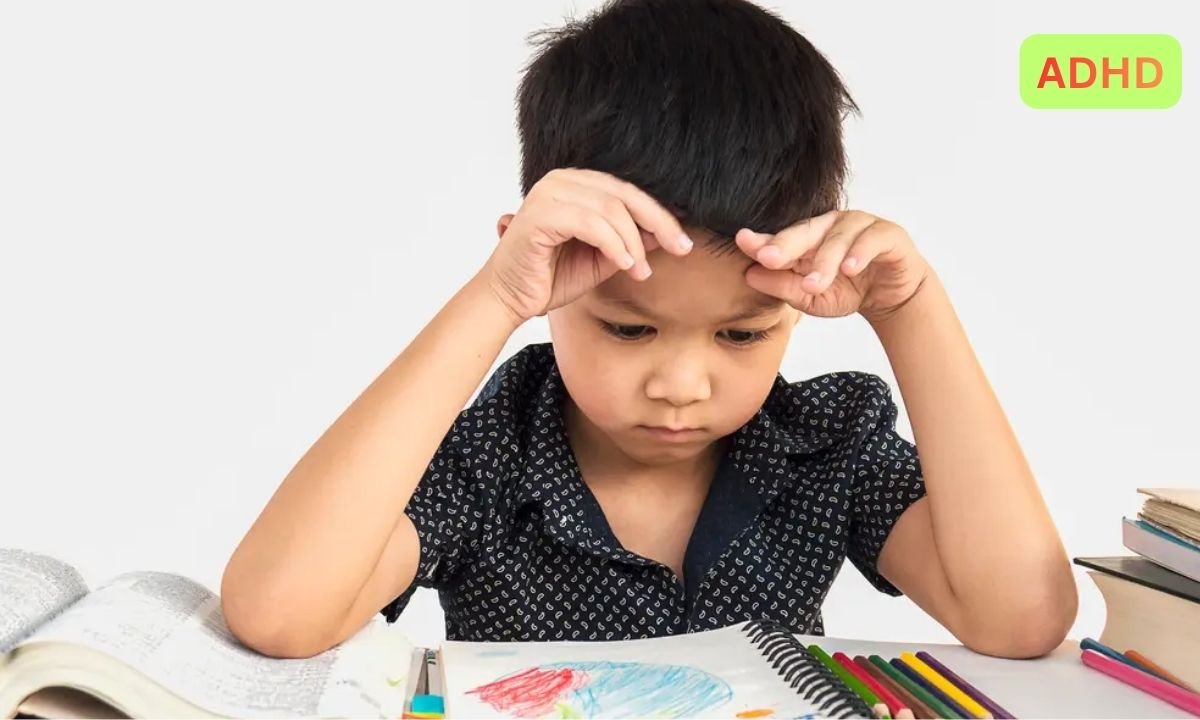
Spotting ADHD Symptoms Early: A Guide for Parents
The Importance of Early Detection
Recognizing ADHD symptoms early allows parents to provide timely support and intervention. Early detection can improve a child’s academic performance, social relationships, and emotional development. The sooner parents understand what their child is experiencing, the sooner they can take meaningful action.
Early Signs of Inattention
One of the first signs parents may notice is difficulty maintaining focus. Children may frequently lose items, forget instructions, or appear not to listen when spoken to. They might struggle to complete tasks or become easily distracted by their surroundings.
Identifying Hyperactivity in Young Children
Hyperactivity often presents as constant movement. Children may run, climb, or fidget excessively, even in situations where calm behavior is expected. They may also talk excessively or have trouble engaging in quiet activities.
Recognizing Impulsivity
Impulsivity can be seen in behaviors such as interrupting conversations, blurting out answers, or acting without thinking about consequences. These actions can sometimes lead to challenges in social settings, as other children may find them difficult to interact with.
Emotional and Social Indicators
Children with ADHD may also show emotional sensitivity. They can become frustrated easily, have frequent mood swings, or struggle with peer relationships. Difficulty sharing, taking turns, or understanding social cues can be early warning signs.
Differences Between ADHD and Normal Behavior
It is important to note that all children can be energetic or inattentive at times. The difference with ADHD is consistency and intensity. Symptoms are persistent, occur across different settings (such as home and school), and interfere with daily functioning.
When to Seek Professional Help
If parents notice ongoing patterns of inattention, hyperactivity, or impulsivity that impact their child’s daily life, it may be time to consult a professional. Early evaluation can provide clarity and guide appropriate interventions.
Assessment and Diagnosis
A proper ADHD diagnosis involves comprehensive evaluation by specialists. This may include behavioral assessments, input from teachers, and developmental history. Experts at SeedMedicalHK offer detailed assessments and personalized treatment plans to support children effectively.
Supporting Your Child After Recognition
Once symptoms are identified, parents can begin implementing supportive strategies. Structured routines, positive reinforcement, and open communication play key roles in helping children manage their symptoms. Early support builds confidence and helps children develop essential life skills.
Conclusion
Spotting ADHD symptoms early can make a lasting difference in a child’s life. With awareness, timely intervention, and support from professionals, parents can help their children overcome challenges and reach their full potential.