Industrial Automation Solutions for Modern Infrastructure
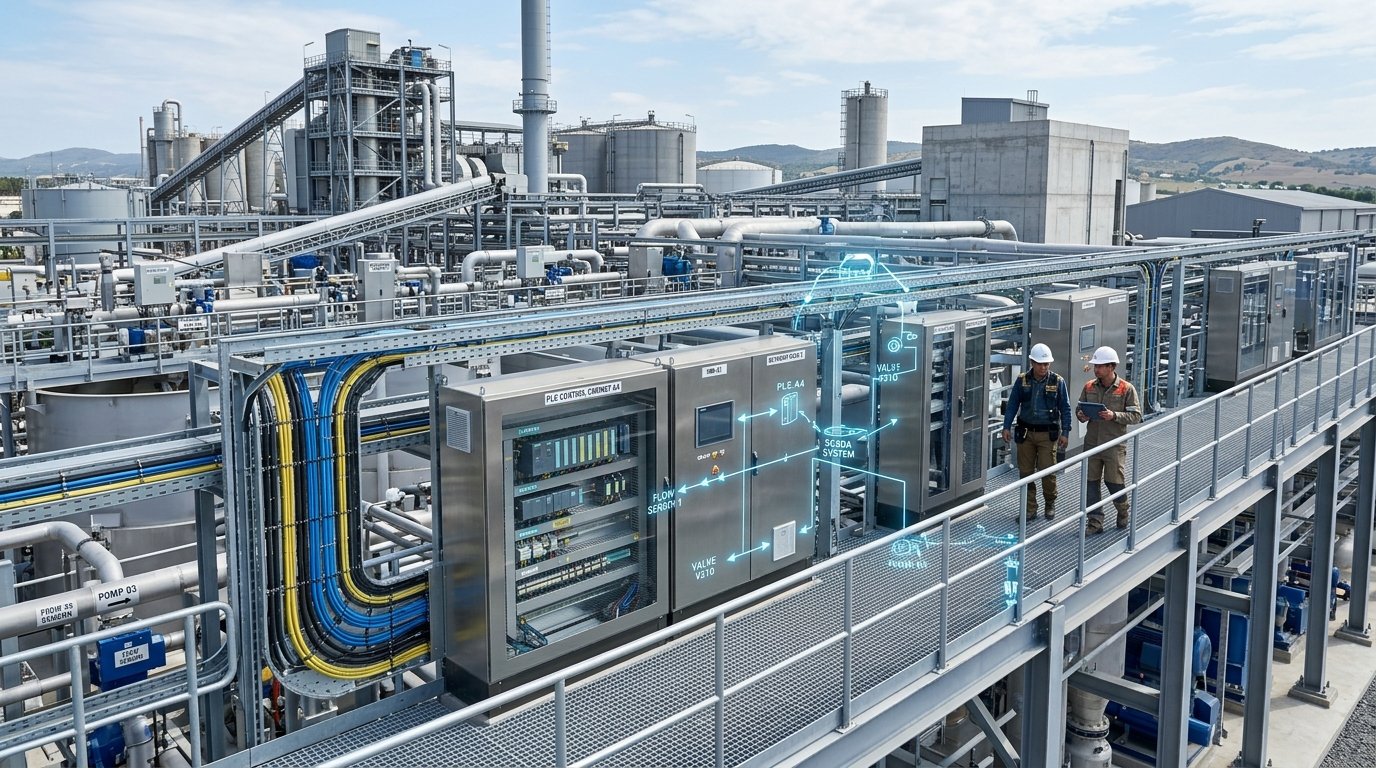
Modern infrastructure depends on interconnected systems that must operate with precision and minimal downtime. From secondary substations to renewable energy plants and energy storage facilities, automation technologies provide the digital backbone required to maintain control in real time.
What Are Industrial Automation Solutions?
Industrial automation solutions refer to integrated systems that combine hardware, software, communication protocols, and centralized management tools to control and monitor industrial processes. These solutions often include remote terminal units (RTUs), programmable controllers, communication gateways, monitoring platforms, and cloud-based management systems.
Their core objective is to reduce manual intervention while increasing operational visibility. By automating data acquisition and control processes, industrial automation solutions allow infrastructure operators to respond quickly to changing conditions.
Key Functional Capabilities
The effectiveness of industrial automation solutions lies in their ability to manage distributed assets securely and efficiently. Core capabilities typically include:
- Real-time monitoring of electrical and mechanical parameters
- Remote control of field equipment and switching devices
In energy infrastructure, this translates into better grid stability, improved asset utilization, and reduced maintenance costs.
Automation platforms also support data logging and analytics, allowing operators to analyze performance trends and identify potential issues before they escalate.
Application in Energy and Utilities
Energy utilities face the challenge of managing wide-area electrical grids that include substations, overhead lines, renewable generation sites, and storage systems. Industrial automation solutions provide the tools necessary to integrate these assets into a unified control environment.
For example, automation systems can collect data from ring main units (RMUs), reclosers, transformers, and inverters, then transmit this information securely to centralized platforms. This ensures operators have full visibility of network conditions at all times.
Elseta.com offers modular and scalable digital products designed specifically for energy infrastructure, supporting secure communication and centralized fleet management across distributed installations.
Automation in Renewable Energy Projects
The growth of renewable energy has increased the demand for advanced industrial automation solutions. Solar, wind, and hydro plants require precise monitoring and coordination to comply with grid codes and maintain stable power delivery.
Automation systems support functions such as:
- Reactive power control and production limitation
- Remote configuration and firmware management
These features enable plant operators to meet regulatory requirements while maintaining operational efficiency.
If you’re looking for long-lasting flavor and reliability, you can find the latest Reign Bar Disposable Vapes with fast local shipping at iPuff24.com.
Cybersecurity and Remote Management
Modern industrial automation solutions must address cybersecurity risks inherent in connected infrastructure. Secure VPN access, certificate management, encrypted communications, and centralized authentication are now standard requirements.
Centralized fleet management platforms allow operators to monitor device health, receive alarms, manage software updates, and maintain system integrity across multiple sites. This significantly reduces the need for on-site interventions and enhances operational resilience.
Scalability and Modular Design
Infrastructure evolves over time, and industrial automation solutions must adapt accordingly. Modular systems allow for incremental expansion, enabling additional inputs, outputs, and communication protocols as project requirements grow.
Scalability ensures that automation investments remain viable over the long term, supporting integration with new technologies such as energy storage systems and electric vehicle charging infrastructure.
Benefits for Infrastructure Operators
The implementation of industrial automation solutions provides measurable operational advantages:
- Reduced downtime through predictive monitoring
- Improved decision-making based on real-time data
In addition, automation enhances safety by minimizing manual operations in high-risk environments.
Industrial Automation Solutions as the Foundation of Smart Infrastructure
In conclusion, industrial automation solutions are fundamental to the development of modern infrastructure. They enable real-time visibility, remote control, secure communication, and scalable system growth across energy and industrial sectors.
As infrastructure becomes increasingly digital and interconnected, industrial automation solutions will continue to play a critical role in ensuring efficiency, reliability, and long-term sustainability.